
Vedic astrology topic guide
Planets.
Study the nine grahas through dignity, lordship, aspects, conjunctions, strength, and timing.
The grahas are active principles, not fixed labels.
Planetary interpretation is often the first part of Vedic astrology that people encounter. The Sun is associated with authority, the Moon with mind, Mars with action, and so on. Those associations are useful, but they are only a vocabulary. A planet does not produce one standard result wherever it appears. Its condition changes according to the ascendant, the houses it owns, the sign and house it occupies, the planets that influence it, its nakshatra, its strength, and the period in which it becomes active.
Jyotish traditionally works with nine grahas: the Sun, Moon, Mars, Mercury, Jupiter, Venus, Saturn, Rahu, and Ketu. The Sanskrit word graha is usually translated as planet, although Rahu and Ketu are calculated lunar nodes rather than physical bodies. Their inclusion tells us something about the system. Jyotish is interested in observable astronomical cycles, but it reads those cycles through a symbolic and predictive framework. Outer planets can be considered as supporting factors by modern practitioners, yet they do not replace the classical nine in house rulership, dasha systems, or traditional yogas.
A sound reading begins with function. Jupiter can signify teachers, children, counsel, law, or faith, but its practical role depends on the chart. For one ascendant it may rule supportive houses; for another it may carry more difficult responsibilities. Saturn can describe delay, duty, labor, age, scarcity, or endurance. A strong Saturn is not automatically pleasant, and a difficult Saturn is not a sentence. The question is what the planet is responsible for, what resources it has, and how its themes have developed in the person's actual life.
Dignity helps refine that judgment. Exaltation, debilitation, own sign, friendly or hostile signs, combustion, retrogression, planetary war, and directional strength each describe a different part of a planet's condition. None should be read alone. An exalted planet may be powerful but complicated by house ownership or conjunction. A debilitated planet may receive cancellation, support, or enough strength elsewhere to function constructively. Divisional charts and formal strength measures can add detail when the birth time is reliable, but they should confirm a coherent natal reading rather than rescue a weak argument.
Timing is the next test. A natal placement may remain quiet until its dasha, antardasha, or a relevant transit brings it forward. Even then, the event has to fit the promise of the whole chart. Jupiter crossing a house does not guarantee marriage, wealth, or a child. Saturn crossing the Moon does not guarantee loss. Transits describe current pressure and opportunity; the natal chart and active planetary periods show which possibilities have enough support to become concrete.
The articles collected here examine individual planets, planetary combinations, shadow points, and the way grahas behave across houses and life situations. Read them as focused studies. When an article discusses Jupiter, Rahu, or a particular yoga, return to the same basic questions: What does this planet rule in the chart? How strong is it? Who influences it? Which divisional chart is relevant? Is its period active? That habit does more for accuracy than memorizing a longer list of promised results.
- 01
Begin with articles on the Sun, Moon, Jupiter, Rahu, or Saturn before moving to complex yogas.
- 02
Compare a planet's natural significations with the houses it rules for the ascendant.
- 03
Treat exaltation, debilitation, combustion, and retrogression as modifiers, not verdicts.
Continue with
Articles in this collection
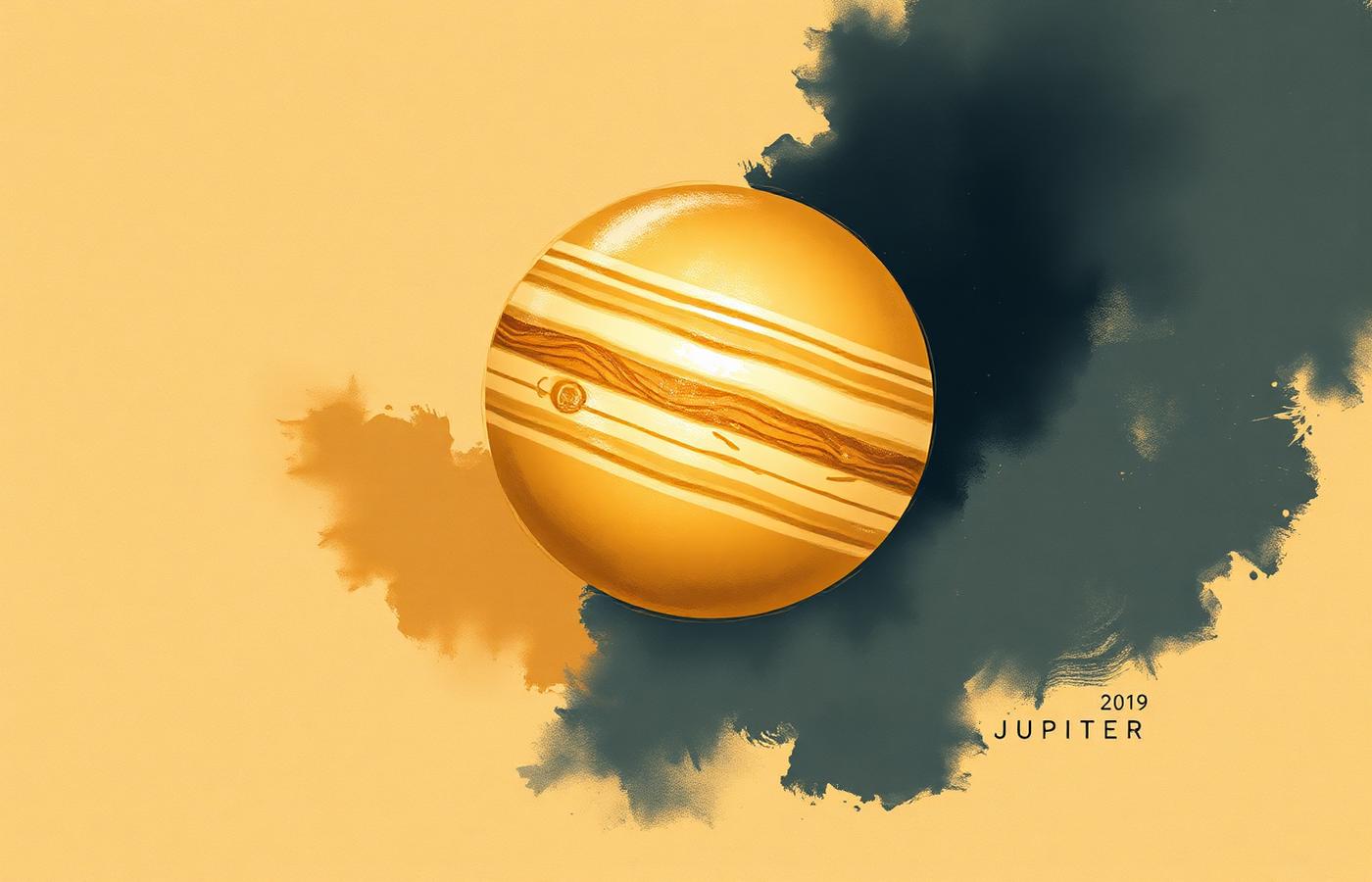
Exalted Jupiter in All 12 Houses: Effects and Behaviour in Vedic Astrology
Learn how exalted Jupiter in Cancer influences each of the 12 houses in a Vedic birth chart. Detailed house-wise effects on personality, career, relationships, health and more.
Sun and Moon in Vedic Astrology: Complete Guide to Surya and Chandra
Discover the complete meaning of Sun (Surya) and Moon (Chandra) in Vedic astrology. Learn their significations, house and sign effects, chart analysis methods, conjunctions, and traditional remedies in this detailed guide.
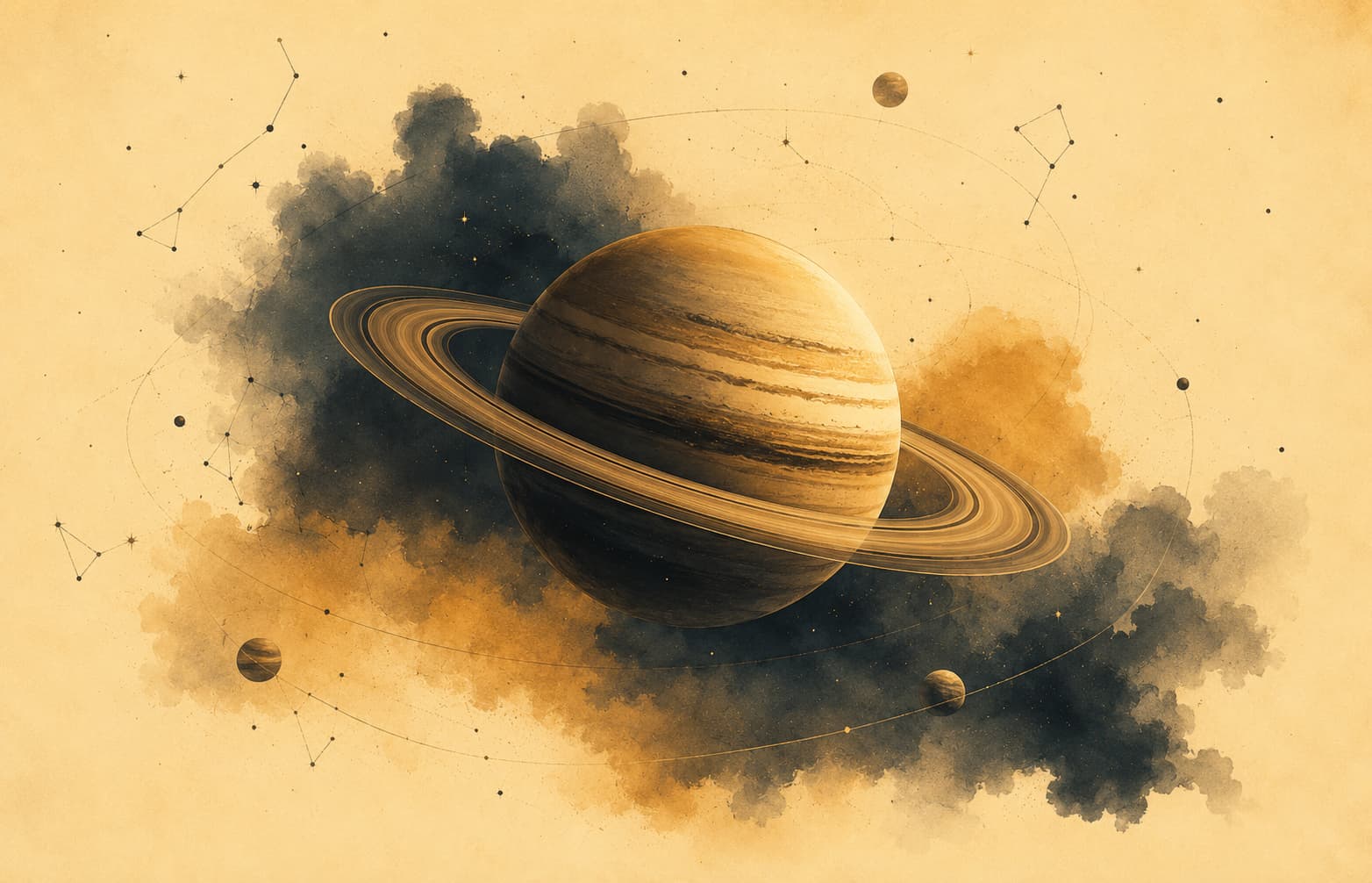
Understanding Gulika and Mandi: Saturn’s Shadow Points in Jyotisha
Explore Gulika and Mandi in Vedic astrology. Learn their meaning as Saturn’s upagrahas, calculation methods, house effects, conjunctions, positive placements and traditional remedies in a clear guide.

Manglik Dosha and Kaal Sarp Dosha: What Is Real, Exaggerated or Cancelled
A clear myth-busting guide to Manglik Dosha and Kaal Sarp Dosha. Learn classical formation rules, cancellation conditions, Mars strength, Navamsha checks, Rahu-Ketu axis analysis, and why apps create unnecessary fear.
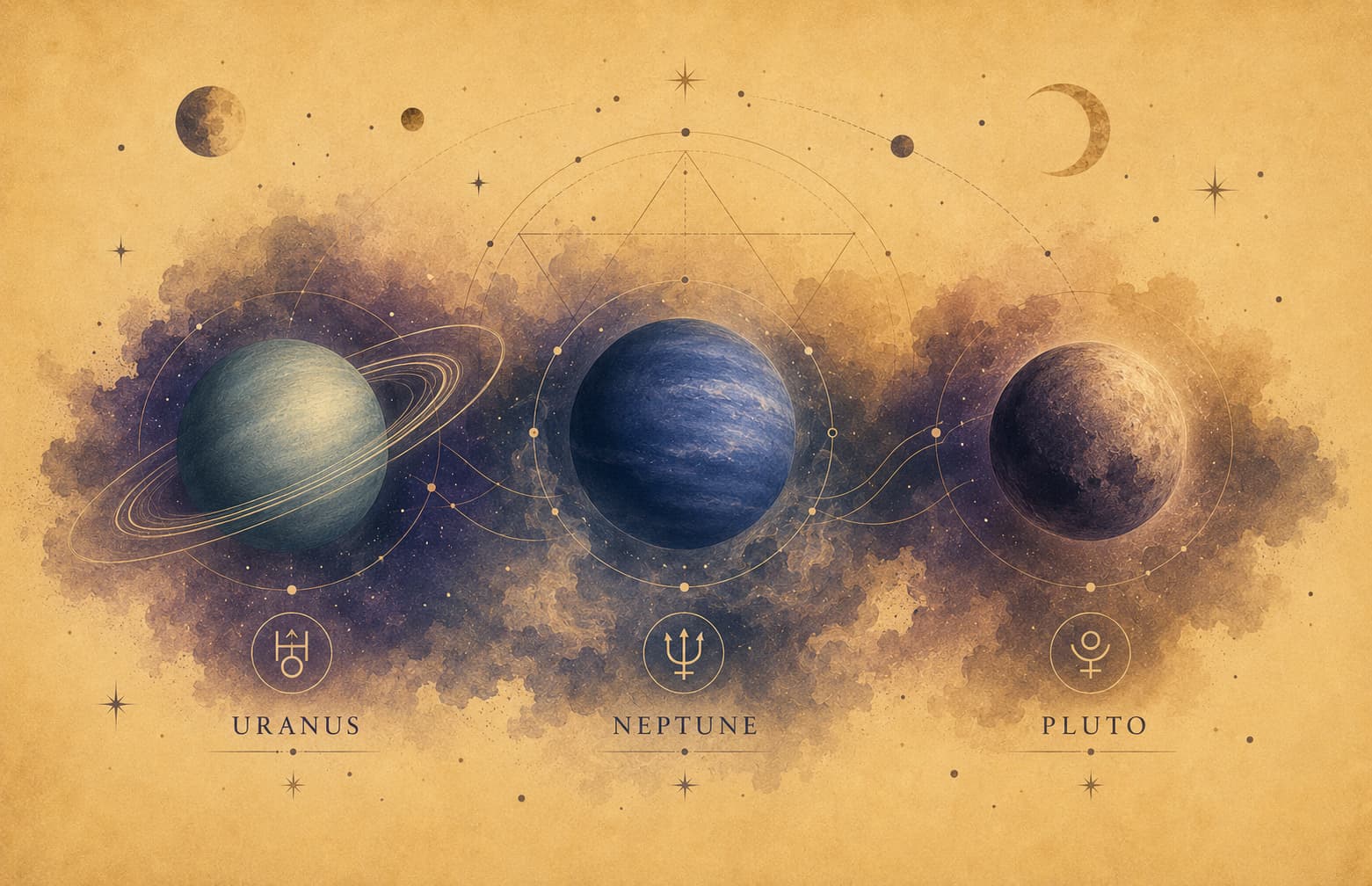
Uranus, Neptune, Pluto in Modern Jyotish: Should Outer Planets Be Studied in Vedic Astrology?
Should Uranus, Neptune and Pluto be used in modern Vedic astrology? Explore classical foundations, modern debates, generational themes and practical chart guidance for Jyotish students.
Guru Chandal Yog in the Modern World: Curse or Boon? Complete Vedic Guide
Explore Guru Chandal Yog in Vedic astrology. Learn its formation, positive and challenging effects, house-wise results, modern interpretations, and practical guidance for balanced understanding.